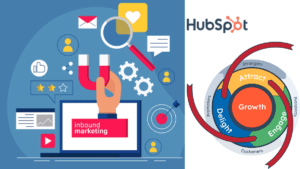
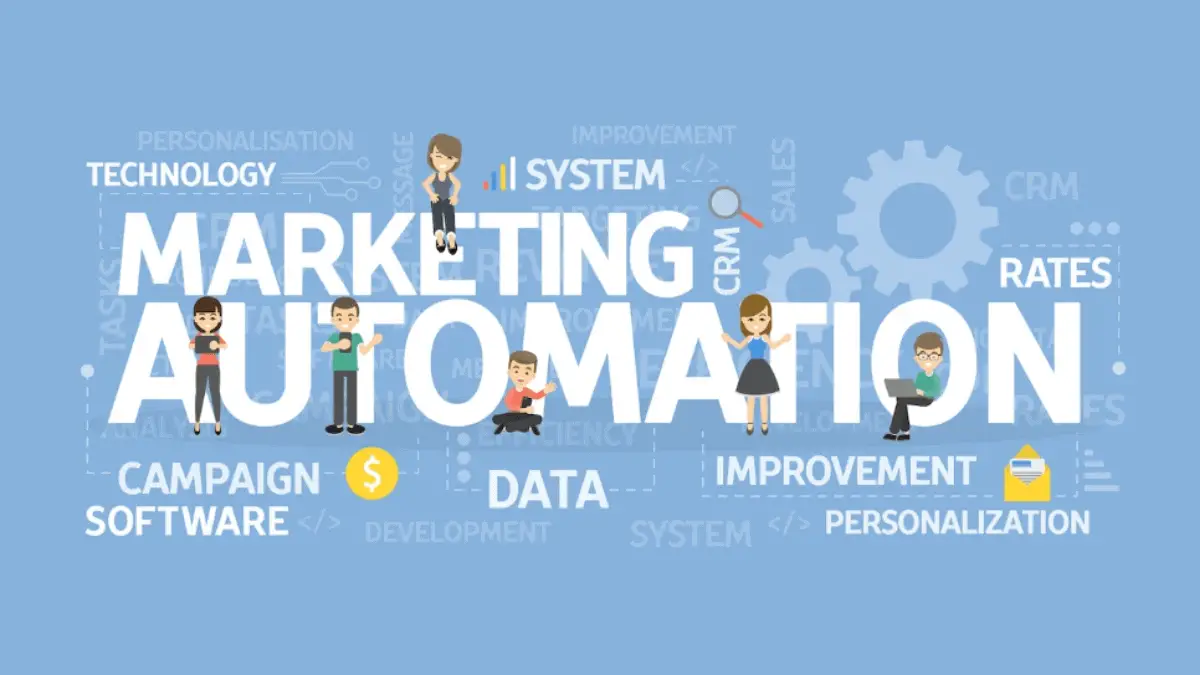
HubSpot Marketing Automation is a software platform that helps businesses attract, engage, and nurture leads and customers through a variety of Digital channels, including email, Social Media, and Website interactions.
It provides tools for Lead Generation, Lead scoring, email marketing, social media scheduling and monitoring, website Analytics, and more. With HubSpot Marketing Automation, businesses can streamline their Marketing efforts and improve their overall Conversion Rates and Customer satisfaction.
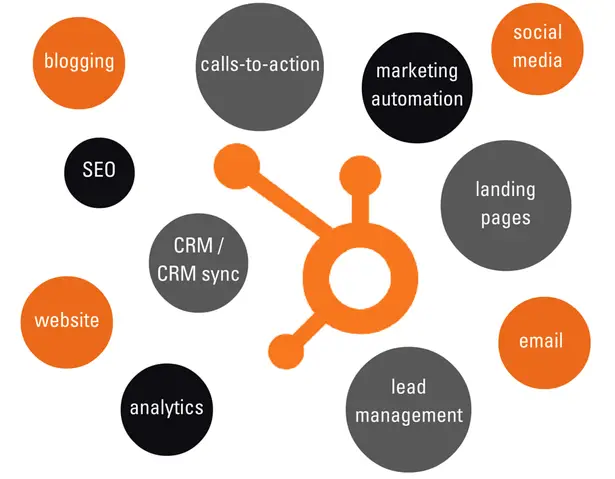
Important Points About Using HubSpot Marketing Automation Tools
- Centralized Marketing Platform: HubSpot Marketing Automation provides a centralized platform for all your marketing efforts, allowing you to manage your Marketing campaigns from a single place.
- Lead Generation: The platform provides a range of tools to help you attract and capture Leads, including forms, Landing Pages, and CTAs.
- Lead Scoring: HubSpot’s lead scoring feature allows you to prioritize leads based on their behavior and Engagement, enabling you to Focus on those that are most likely to convert.
- Personalization: The platform allows you to personalize your marketing messages based on each lead’s interests, behavior, and stage in the Buying Process.
- Email Marketing: HubSpot Marketing Automation includes email marketing tools that allow you to create, send, and track your Email campaigns.
- Marketing Analytics: The platform provides in-depth analytics and reporting, giving you insights into the effectiveness of your Campaigns and helping you make data-driven decisions.
- Social Media Management: HubSpot Marketing Automation allows you to manage your social media accounts, schedule posts, Monitor Brand mentions, and engage with your followers.
- Website Optimization: The platform provides tools for website optimization, including A/B testing, website analytics, and Website content Management.
- Sales Enablement: HubSpot Marketing Automation helps you align your marketing and sales teams by providing tools for lead handoff, tracking, and reporting.
- Scalability: HubSpot Marketing Automation is a scalable platform that can grow with your Business, allowing you to add new features and integrations as you need them.
How to Set Up Your HubSpot Marketing Automation Platform
Marketing Automation
HubSpot is a popular Marketing Automation Platform that helps businesses manage their marketing campaigns and streamline their sales processes. Setting up a HubSpot Account can be a complex process, but by Following these steps, you can get started quickly and efficiently.
Step 1: Create a HubSpot Account
The first step to setting up HubSpot is to create an account. Go to the HubSpot Website and click on the “Get started for free” button. You’ll be prompted to enter your Email Address, Business Name, and Website URL.
Step 2: Choose Your Plan
HubSpot offers a range of plans, From Free to Enterprise-level. Choose the Plan that best suits your business needs and budget.
Step 4: Set up Your Email Marketing Campaigns
Email Marketing is a powerful tool for Lead Generation and Nurturing. HubSpot allows you to create and send Email Campaigns to your Subscribers.
You can use the built-in email templates or Create your own. To set up your Email Marketing Campaigns, Follow the Instructions provided by HubSpot.
Step 5: Create Your Landing Pages
Landing pages are an essential part of your Marketing Funnel, as they allow you to capture Leads and convert them into customers.
HubSpot provides a range of Landing Page Templates that you can use to create your own Landing Pages. Follow the Instructions provided by HubSpot to create your Landing pages.
Step 6: Set up Your Lead Scoring System
Lead scoring is the process of assigning a score to your leads based on their behavior and engagement with your content.
HubSpot provides a lead scoring system that allows you to score your leads based on their website activity, email engagement, and other factors. To set up your Lead Scoring system, Follow the Instructions provided by HubSpot.
Step 7: Set up Your CRM
HubSpot’s CRM allows you to manage your contacts, deals, and sales pipeline. To set up your CRM, Follow the instructions provided by HubSpot. You can also integrate your CRM with other Tools and Platforms, such as Gmail or Outlook.
Step 8: Integrate HubSpot with Your Other Tools and Platforms
HubSpot integrates with a range of tools and platforms, including social media platforms, customer support platforms, and e-commerce platforms.
To integrate HubSpot with your other tools and platforms, follow the instructions provided by HubSpot or consult with your IT team.
By following these steps, you can set up your HubSpot marketing automation Platform Quickly and Efficiently.
Remember to optimize your Campaigns and Processes over time, using the insights provided by HubSpot to make Data-Driven Decisions.
Connect Your Platforms and Tools.
Before you start setting up HubSpot Marketing Automation, make sure you connect any platforms and tools that are associated with your business.
For instance, if you use MailChimp or Salesforce for email marketing and customer relationship management, it’s important to integrate them with HubSpot to ensure everything works seamlessly together.
To do this, simply go to the integrations tab in your HubSpot account and follow the steps outlined there.
What is Workflow? Create a Workflow in HubSpot:
Workflow refers to the series of steps or Tasks that are performed to complete a Particular Project or Process.
It involves the Coordination of Activities and resources to Achieve a specific goal or outcome, often with an emphasis on Efficiency, Productivity, and Quality control.
Create Workflows, Move Contacts Through the Buyer Journey, And Nurture Leads with Automated Emails.
Workflows are perhaps the most powerful tool of HubSpot Marketing Automation. They allow you to move contacts through the buyer journey automatically, depending on their activity and progress.
For example, you could create a workflow that sends welcome emails to new subscribers or follow-up emails to those who abandon their cart when they’re close to making a purchase.
HubSpot’s detailed reports also make it easy to track the performance of your workflows, so you can keep refining them for maximum efficiency.
Here are the Steps to Create a Workflow in HubSpot:
- Log in to your Free HubSpot Account.
- In the top navigation bar, click on “Automation” and select “Workflows.”
- Click on the “Create workflow” button in the upper right corner.
- Choose the type of workflow you want to create. You can choose from a standard workflow, a goal-based workflow, or a date-based workflow.
- Give your Workflow a Name and select the object you want to base it on, such as a contact, Company, Deal, or Ticket.
- Set your enrollment triggers by choosing the criteria that will cause a contact to be enrolled in your workflow, such as filling out a form, visiting a web page, or meeting certain Demographic or Behavioral criteria.
- Build your workflow steps by dragging and dropping actions, delays, and conditions onto the canvas. Actions are tasks that you want the workflow to perform, like sending an email or updating a contact property. Delays are pauses that you can use to time the delivery of messages or actions. Conditions are rules that you can use to create branches in your workflow Based on the contact’s Behavior or other Data.
- Configure each action or condition by filling out the required information, such as the Email template you want to use, the date you want a task to be due, or the criteria for a conditional branch.
- Preview your workflow to make sure it looks and behaves as you intended.
- Save and Activate your workflow by toggling the switch in the upper right corner. Your Workflow is now live and will Automatically enroll and process contacts that meet your enrollment criteria.
Optimize Your Website with Personalisation.
With HubSpot’s website personalization tool, you can personalize your webpage for visitors, based on their previous actions or other data points.
This tool allows you to send custom messages and offers to people who meet certain criteria, like using a specific keyword in their search query or having gone through a particular stage of the buyer’s journey.
This personalization helps prompt visitors to take whatever action you want them to while providing a more tailored experience at the same time.
Measure Key Performance Metrics for Ongoing Marketing Improvement and ROI Tracking.
To ensure that your HubSpot Marketing Automation platform is delivering on your business objectives, you’ll want to track key performance metrics regularly.
Depending on the specific goals of your campaigns, you’ll need to measure metrics such as website traffic, conversions, time spent on the page, and cost per action.
Additionally, campaign-level metrics like bounce rate and clickthrough rate can provide valuable insight into user behavior. Use these insights to adjust marketing strategies accordingly and maximize ROI from each campaign.
Analyze Campaigns and Set Up Goals for Future Success and Development of Strategies.
Regularly analyzing your campaigns will help you understand what’s working and what isn’t for your business.
Analyze your performance metrics to recognize the success of or areas for improvement within your strategy.
Set up goals based on these insights to ensure that future campaigns are successful.
Utilize this data to determine where adjustments need to be made to develop marketing strategies that meet their desired objectives and drive maximum ROI.
Here are some frequently asked questions (FAQs) about HubSpot Marketing Automation:
What is HubSpot Marketing Automation?
How much does HubSpot Marketing Automation cost?
What features does HubSpot Marketing Automation include?
How does HubSpot Marketing Automation Help with Lead Generation?
How does HubSpot Marketing Automation integrate with other Software Platforms?
What kind of Analytics and Reporting does HubSpot Marketing Automation Offer?
Is HubSpot Marketing Automation easy to use?
Final Conclusion:
In conclusion, HubSpot Marketing Automation is a powerful software platform that can help businesses automate their marketing processes and improve their marketing ROI.
With a range of features including Lead Generation, Email Marketing, Social Media Management, Analytics, and Reporting, HubSpot Marketing Automation provides a comprehensive solution for Businesses looking to streamline their Marketing Efforts.
Additionally, its integrations with other software platforms and its user-friendly interface make it a Flexible and easy-to-use tool.
However, as with any marketing automation tool, it’s important to take the time to understand its Features and how to use them effectively to get the most out of the Platform.
Also, Read- The Ultimate Guide HubSpot CRM For Small Business